

Sesame seeds move through many parts of the food industry, from bakery lines and tahini production to confectionery, seasoning blends and oil processing. For an importer or manufacturer, choosing a bulk sesame seeds exporter is therefore not a one-time buying decision. The supplier needs to deliver a product that fits the application, remains within agreed quality limits and can be supplied consistently as demand grows. A well-planned sourcing process makes it easier to move from an attractive sample to dependable commercial shipments without creating unnecessary production or quality problems.
Different Sesame Types Serve Different Uses
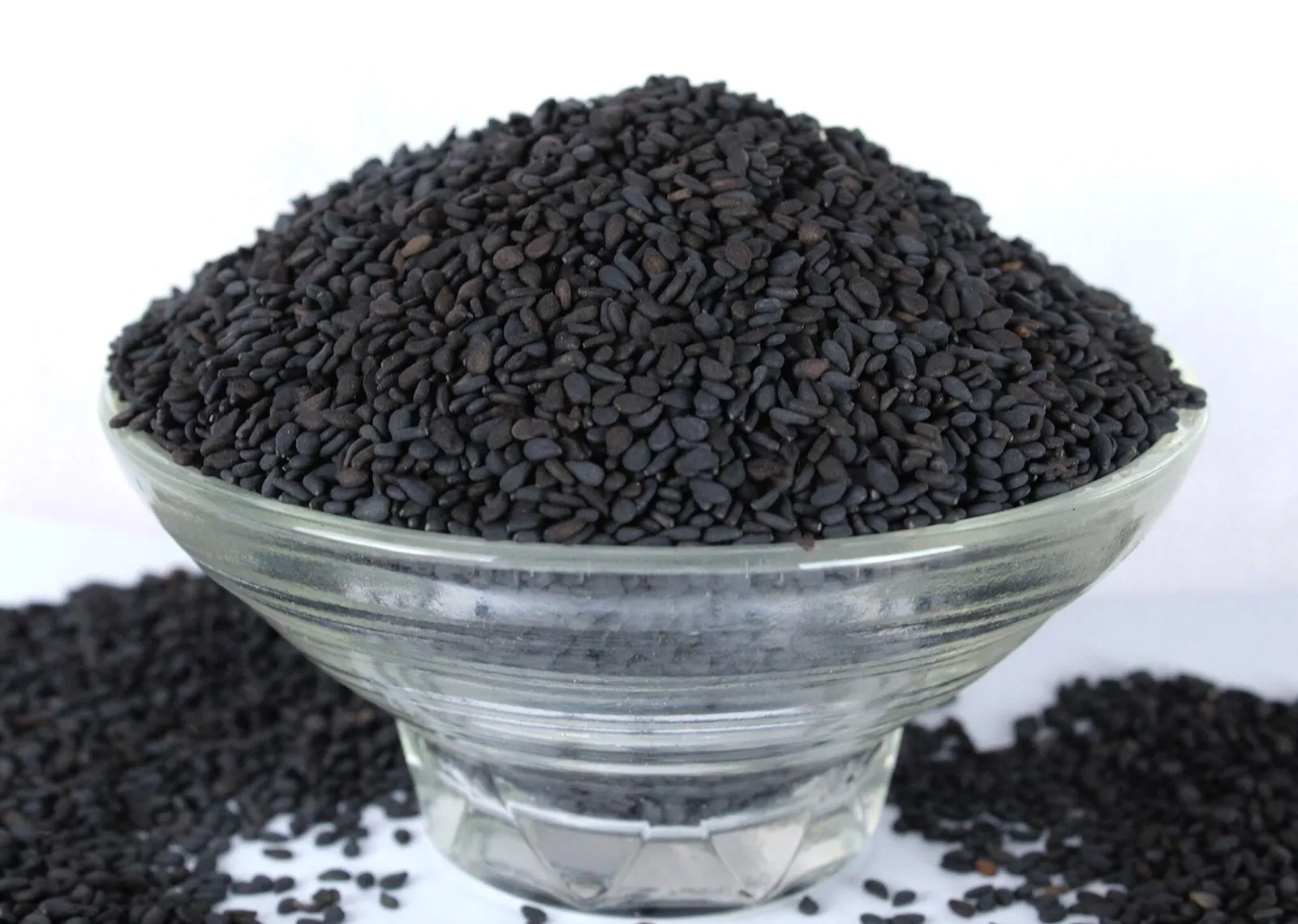
One of the first decisions is selecting the right type of sesame. Natural sesame retains its outer hull and is commonly chosen for applications where a more robust texture is suitable. Hulled sesame has the outer covering removed, giving it a lighter appearance and smoother texture. Black sesame brings a darker colour and a distinct visual character to bakery, snack and speciality food products.
These options should not be treated as interchangeable. A tahini processor, bakery and spice blender may all evaluate sesame differently. Buyers should define the intended use, required variety and key sensory characteristics before comparing quotations.
Move Beyond “Premium Quality”
Commercial procurement works best when quality is described in measurable terms. A buyer may need to specify purity, moisture, foreign matter, seed colour, broken material and other physical characteristics. Food safety or residue requirements may also apply depending on the destination market and the buyer’s own quality programme.
This is where a written specification becomes valuable. It gives procurement teams a consistent basis for reviewing samples and incoming batches. It also gives suppliers a clearer understanding of what must be maintained across repeat orders.
The Sample Is Only the Beginning
A good sample is encouraging, but it should be tested in the same way the ingredient will be used. Sesame intended for roasting should be evaluated after roasting. Seeds used on baked products should be checked after the baking process, while material for paste production should be assessed for flavour and performance after grinding.
The commercial shipment should then be compared with the approved reference. Buyers can keep sample records, inspection notes and production feedback so that changes between lots are easier to identify.
What Changes When Buyers Source Several Spices?
Many food businesses eventually expand beyond a single seed or spice. At that stage, working with an Indian spices global supplier can simplify procurement, but only when each product is managed against its own specification.
Cumin, coriander, fennel, fenugreek and sesame do not have identical quality indicators. Whole spices may differ in size, aroma, colour and cleaning requirements, while powders introduce questions around grinding and particle consistency. A supplier may offer a broad catalogue, but buyers should still approve each ingredient separately instead of assuming that good performance with one product automatically guarantees another.
Make Packaging Part of the Buying Decision
Packaging affects what happens after the product leaves the processing facility. Bulk seeds may travel through ports, containers and warehouses before they reach production, so the pack must be appropriate for that journey.
Buyers should agree on bag type, pack weight, liners where required, batch identification and labelling before shipment. They should also consider warehouse conditions at the destination. Clean, dry storage and sensible stock rotation help protect quality after arrival.
For private-label or repacking businesses, packaging discussions may go further. They may need specific labels, pack sizes or branding requirements, all of which should be confirmed before production begins.
Evaluate the Supplier as a Long-Term Partner
Price matters, but repeatability often matters more. A low quotation can lose its advantage if batches require extra sorting, arrive outside specification or create delays because documents are incomplete.
Procurement teams should therefore review how clearly the supplier communicates about lead times, grades, availability and shipment requirements. It is also useful to track performance across several deliveries rather than making a long-term decision after one successful order.
Agricultural products naturally vary between crops and seasons. A dependable supplier should be able to discuss that variation openly and work within agreed commercial limits.
Conclusion
Reliable sesame sourcing is built step by step. Buyers first need the right sesame type, then a clear specification, realistic sample testing, suitable packaging and consistent checks on commercial deliveries. As purchasing expands into other spices, the same discipline should continue while recognising that every ingredient has its own quality characteristics. By assessing both the product and the supplier’s repeat performance, food businesses can create a stronger supply relationship that supports consistent manufacturing rather than simply securing the lowest price on the first order.